Wondering how to sell your Piney Creek home without feeling squeezed between this sale and your next move? You are not alone. For many sellers, the hard part is not just getting the home sold. It is pricing smart, preparing well, and timing everything so your next step feels clear instead of chaotic. This guide will help you think through the Piney Creek market, your prep list, and the move-planning tools that can make the transition smoother. Let’s dive in.
Piney Creek market realities
If you are planning your next move as a Piney Creek seller, the local market gives you reason to be optimistic, but not casual. In May 2026, Redfin reported a median sale price of $724,756 over the prior three months, with homes selling in a median of 8 days and a 100.4% sale-to-list ratio. At the same time, 27.9% of listings took price drops.
Realtor.com’s May 2026 snapshot also described Piney Creek as a seller’s market, with a median sold price of $700,000 and a median list price of $799,450. The exact numbers differ because the sources use different data sets and time frames. Still, both point to the same takeaway: well-priced, well-presented homes can move quickly, while overpricing can slow you down.
That matters even more if you are also buying your next home on the Front Range. REcolorado’s May 2026 report for the broader Denver metro area showed a median closed price of $615,000, 16 median days in the MLS, about one week of inventory, 6,002 new listings, 4,054 closed sales, and 4,232 pending sales. In plain terms, the market is active, inventory is still relatively tight, and strategy matters on both sides of your move.
Start with your move plan
Before you choose a list date, it helps to answer a more important question: what does your next move actually need to look like? Some sellers need to free up equity before buying. Others want to avoid temporary housing. Others simply do not want to feel rushed into the wrong replacement home.
In Piney Creek, your sale plan and your move plan should work together. A fast sale is great, but only if you have a realistic path for what comes next. That is why the smartest sellers often treat timing and sequencing as seriously as pricing.
If you are selling and buying up
If you are moving into your next home, listing first can give you a clearer picture of your equity and your likely budget. It can also make your next decisions less stressful because you are working from real numbers instead of estimates. In a market where strong homes can sell quickly, this can be a practical first step.
From there, you may want to consider tools that reduce pressure. A rent-back can let you stay in your current home for a period after closing if the buyer agrees. Some sellers also explore bridge financing to access equity before the current home sells, which can help make a non-contingent offer on the next property.
If you are downsizing
If you are leaving a larger home after many years, your timeline may depend as much on sorting and simplifying as it does on market conditions. Starting early can make a big difference. It gives you time to decide what to keep, what to donate, and what to store without turning every weekend into a deadline.
This kind of move also benefits from thoughtful timing. A longer closing or a rent-back arrangement may help if your next home is not quite ready. The goal is to create breathing room so you can make good decisions without feeling pushed.
If you are relocating
If your next move depends on a new job, a long-distance move, or a changing schedule, build in extra flexibility from the start. Storage, temporary housing, and a backup timeline can protect you from trying to line up every date perfectly. That kind of buffer can lower stress and keep one delay from disrupting your whole plan.
Price for the market you have
One of the biggest mistakes sellers make is pricing for the market they hope for instead of the market buyers are responding to right now. In Piney Creek, the numbers suggest demand is still present, but buyers are paying attention. The share of listings with price drops is a clear sign that the market can punish overreach.
That does not mean you should price low. It means you should price with discipline, using current sold values and the condition of your home as the guide. Strong pricing helps create momentum, protects your listing from going stale, and can support better negotiating leverage early in the process.
Prepare your home to show well
Presentation still matters, especially in a market where buyers can move quickly on the homes that feel right. According to the National Association of Realtors’ 2025 staging research, 83% of buyers’ agents said staging makes it easier for buyers to visualize a property as their future home. About half of sellers’ agents said staging reduced time on market, and 29% said staging increased the dollar value offered by 1% to 10%.
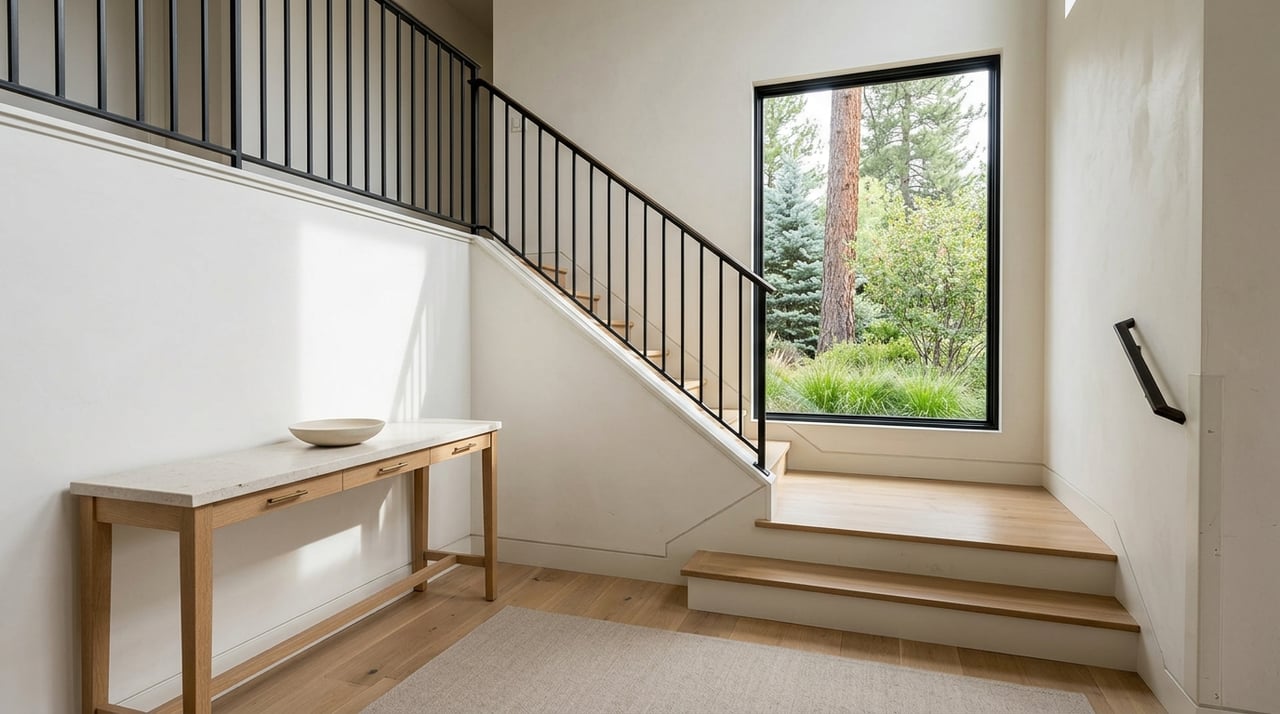
The good news is that staging does not have to mean a major remodel. The most effective steps are often practical and straightforward. Think of it as helping your home feel clean, open, and easy to understand from the moment a buyer walks in.
High-impact prep steps
- Declutter surfaces, shelves, and corners
- Pack away personal items and extra decor
- Use neutral paint colors where touch-ups are needed
- Remove bulky furniture that interrupts room flow
- Organize closets so they feel spacious
- Refresh towels and bedding for a cleaner look
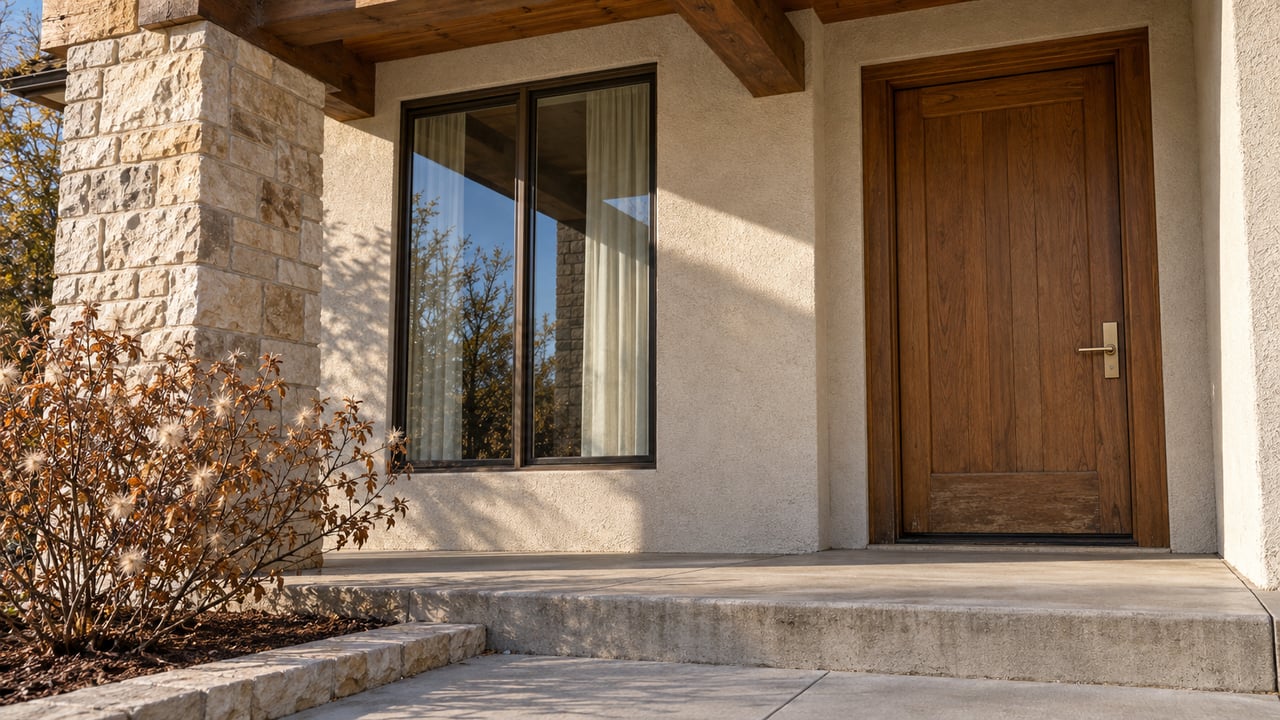
- Make the front entry feel tidy and intentional
- Improve basic landscaping and curb appeal
These steps align with NAR’s consumer staging guidance and tend to fit Piney Creek sellers especially well. You do not need to transform the house into something unfamiliar. You want buyers to see the space, not the distractions.
Gather paperwork before you list
A smoother sale often starts with better organization. In Colorado, the Seller’s Property Disclosure form in effect as of January 1, 2026 must be completed by the seller based on the seller’s current actual knowledge. If you later discover a new adverse material fact, that should also be disclosed.
The form is not a substitute for inspection, but it is a major part of your preparation. Gathering your records early gives you time to answer questions carefully and reduce last-minute scrambling once your home is under contract.
Documents worth pulling now
- Prior inspection reports
- Engineering, roofing, or soils reports
- Insurance claim or settlement paperwork
- Permits and receipts for additions or non-aesthetic alterations
- HOA documents and special assessment notices, if applicable
- Architectural approval records, if applicable
- Radon test or mitigation records, if any
- Metro district information, if applicable
- Lead-based paint records for homes built before 1978
Colorado’s disclosure form specifically asks about many of these items. It also asks about issues such as roof conditions, structural concerns, moisture or water intrusion, drainage, code violations, zoning matters, environmental conditions, litigation, deed restrictions, and association disputes. You are answering based on your current actual knowledge, but known adverse material facts still need to be disclosed.
Know the Colorado details that affect your sale
Your move plan should also include the less visible parts of selling. In Colorado, a documentary fee applies to recorded deeds when the total consideration exceeds $500. Under Colorado law, the fee is one cent for each $100, or major fraction thereof, and it is collected by the county clerk and recorder.
This is not the same as a large transfer tax, but it is still something to include when estimating net proceeds. Small line items can add up, especially if you are counting on sale proceeds for your next purchase.
There are also disclosure details that can catch sellers off guard if they wait too long. If your property is in a metropolitan district organized on or after January 1, 2000, Colorado law requires the purchaser to receive the district’s official website, and the current disclosure form includes a field for that information. If your home was built before 1978, the Colorado lead-based paint disclosure form applies and gives the buyer a 10-day period to conduct a risk assessment or inspection unless the parties agree otherwise in writing.
Tools that can reduce overlap stress
If your biggest concern is getting stuck between homes, there are a few common tools that may help. Each one changes timing, negotiation strength, and carrying costs a little differently. The right fit depends on your budget, your tolerance for risk, and how flexible your next step can be.
Common timing tools
- Home-sale contingency: Gives you time to sell your current home before moving forward on the next purchase.
- Home-close contingency: Gives you time to close on your current home before closing on the next one.
- Rent-back clause: Lets you remain in your current home after closing if the buyer agrees to the terms.
- Bridge financing: A short-term option that may let you access equity before your current home sells.
Mortgage rates also affect this decision. Freddie Mac reported the 30-year fixed-rate mortgage at 6.48% on June 4, 2026 and 6.52% on June 11, 2026. For sellers who are also becoming buyers, that makes monthly payment planning a major part of the conversation.
Your best next move is a coordinated one
The most important takeaway for Piney Creek sellers is simple: your next move should not start with guesswork. It should start with realistic pricing, strong presentation, organized disclosures, and a plan for where you are going next. In an active but selective market, that kind of preparation can help you protect both your timeline and your peace of mind.
If you are thinking about selling in Piney Creek and want a calm, well-planned approach to both the sale and the move that follows, Leah Klepetka can help you map out the details with clarity and care.
FAQs
What does the Piney Creek housing market mean for sellers right now?
- Piney Creek remains active, with Redfin reporting an 8-day median time to sell and a 100.4% sale-to-list ratio in the three months ending May 2026, but the share of price drops also shows that pricing still needs to be realistic.
Should a Piney Creek seller buy first or sell first?
- For many sellers, the answer depends on available equity, comfort with overlap costs, and how competitive the next-home search may be. Tools like rent-back, contingencies, and bridge financing can help shape the decision.
What should a Piney Creek seller fix before listing?
- Focus first on visible condition, cleanliness, decluttering, and simple presentation updates. It is also smart to be ready to discuss any known roof, structural, water, permit, association, or environmental issues covered by Colorado’s disclosure form.
What documents should a Colorado home seller have ready?
- Gather inspection reports, engineering or roofing reports, permits, receipts, HOA records, special assessment notices, radon records, insurance claim paperwork, metro district details if applicable, and lead-based paint records for homes built before 1978.
How can a Piney Creek seller avoid feeling rushed into the next home?
- A seller can reduce pressure by planning for a rent-back, using carefully timed contingencies, considering bridge financing when appropriate, and building in room for storage or temporary housing if needed.