If you want a town that gives you room to breathe without feeling disconnected, Castle Rock often stands out quickly. You may be looking for mountain views, everyday convenience, a real downtown, or a place that feels more grounded than a close-in suburb. The good news is that Castle Rock offers a mix of outdoor access, community gathering spaces, and a wide range of housing options. Here’s what it’s actually like to live here day to day.
Castle Rock at a Glance
Castle Rock sits just south of Denver and serves as the Douglas County seat. The Town describes itself as a full-service municipality with a small-town feel, a traditional downtown core, and regular community events.
That combination shapes daily life in a big way. You get a community with its own identity, not just a place along the corridor, while still being connected to the broader South Denver area. Castle Rock is also planning for continued growth, so living here means enjoying an established town that is still evolving.
Daily Life Feels Centered Around Place
One of the first things many people notice about Castle Rock is that it feels anchored by its downtown. The town’s historical center dates back to the 1870s, and some of its earliest buildings were built with locally quarried rhyolite stone.
Today, that history still shows up in everyday life. Downtown is home to the museum, restaurants, shops, and apartment residences, and it remains the civic and emotional center of the community. If you like living in a place with a recognizable heart, that matters.
Downtown Has a Real Gathering Spot
Festival Park plays a big role in the rhythm of local life. It serves as a central activity area and hosts recurring community events like First Fridays and the Farmers Market.
That gives Castle Rock a social center that feels active rather than purely decorative. For many residents, downtown is where you go to meet friends, enjoy an event, or spend part of a weekend without needing a major plan.
Walkable in Parts, Car-Dependent Overall
If you are wondering how walkable Castle Rock feels, the answer depends on where you are. Downtown is the most compact and walkable part of town, with shopping, dining, events, and trail connections in one area.
Outside downtown, most neighborhoods are generally a short drive away. So while you can enjoy walkable pockets, daily life in Castle Rock is still shaped more by driving than by transit or fully car-free living.
Outdoor Access Is Part of Everyday Living
Castle Rock’s outdoor lifestyle is one of its strongest draws. The Town says it has 136 miles of trails, 62 parks, and more than 6,900 acres of open space, with about 30 percent of the town designated as open space.
That means access to nature is not just a weekend bonus. It is built into how the town functions and how many residents spend their free time.
Trails and Parks Are Easy to Work Into Your Routine
Because the trail and park system is so extensive, outdoor time can feel practical, not complicated. You may go for a walk after work, spend part of a morning on a trail, or head to a nearby park without planning a full day around it.
Festival Park also connects at the junction of East Plum Creek Trail and Sellars Gulch Trail. That makes downtown and outdoor recreation feel tied together in a way that supports a balanced lifestyle.
Rock Park Adds a Signature Local Experience
If you want a local landmark experience, Rock Park is one of the most recognizable. The 1.5-mile trail is considered difficult, but the reward is sweeping views of downtown, the I-25 corridor, Pikes Peak, and the Front Range.
For residents, spots like this help define what living in Castle Rock feels like. You are not just near scenic places. You are living in a town where those places become part of your routine and identity.
Recreation Is Not Just Outdoors
Castle Rock also offers indoor recreation that supports year-round living. The Castle Rock Recreation Center includes a pool, courts, fitness space, an indoor track, and child-watch.
That matters if you want options beyond hiking and trail use. It adds flexibility to the lifestyle and makes it easier to stay active in different seasons.
Housing Options Vary More Than You Might Expect
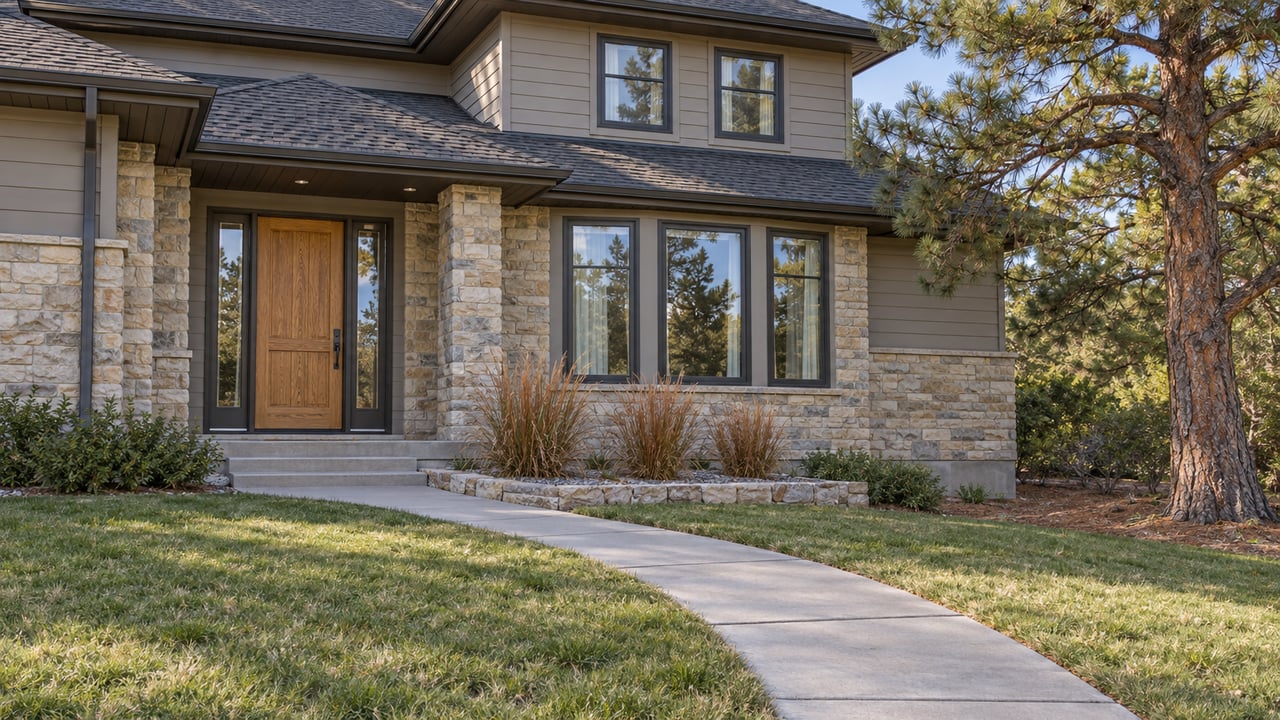
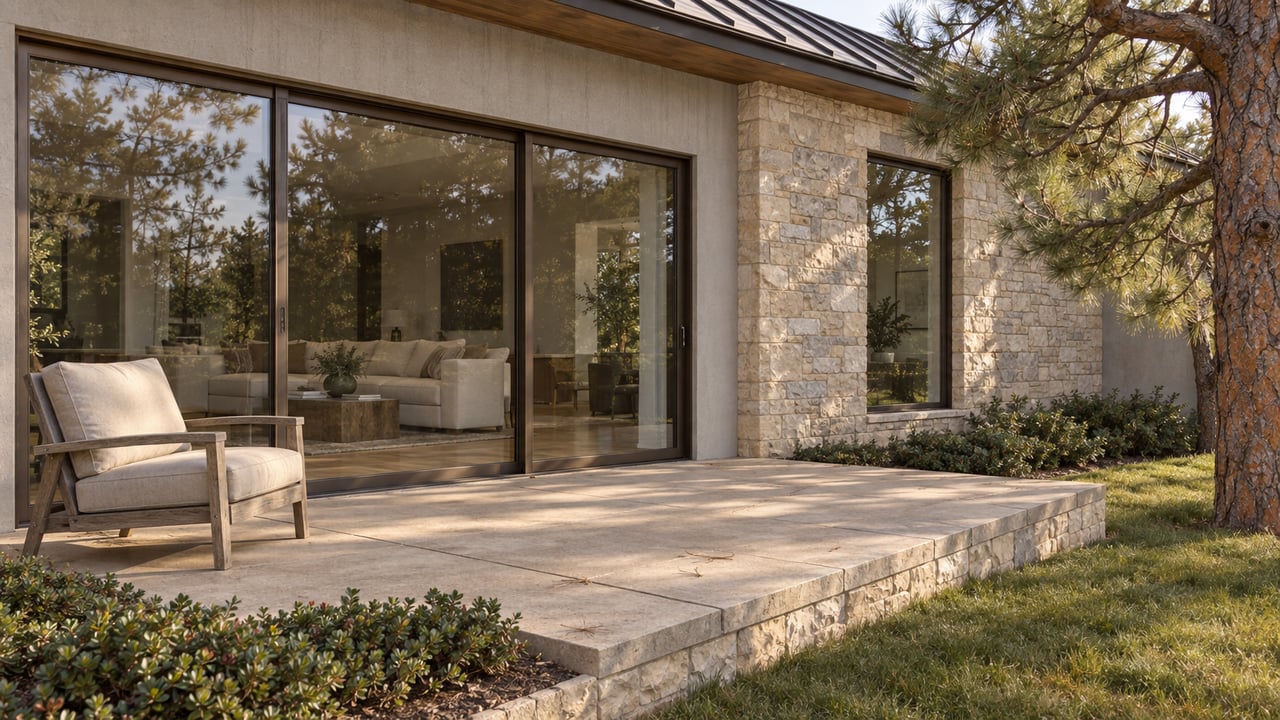
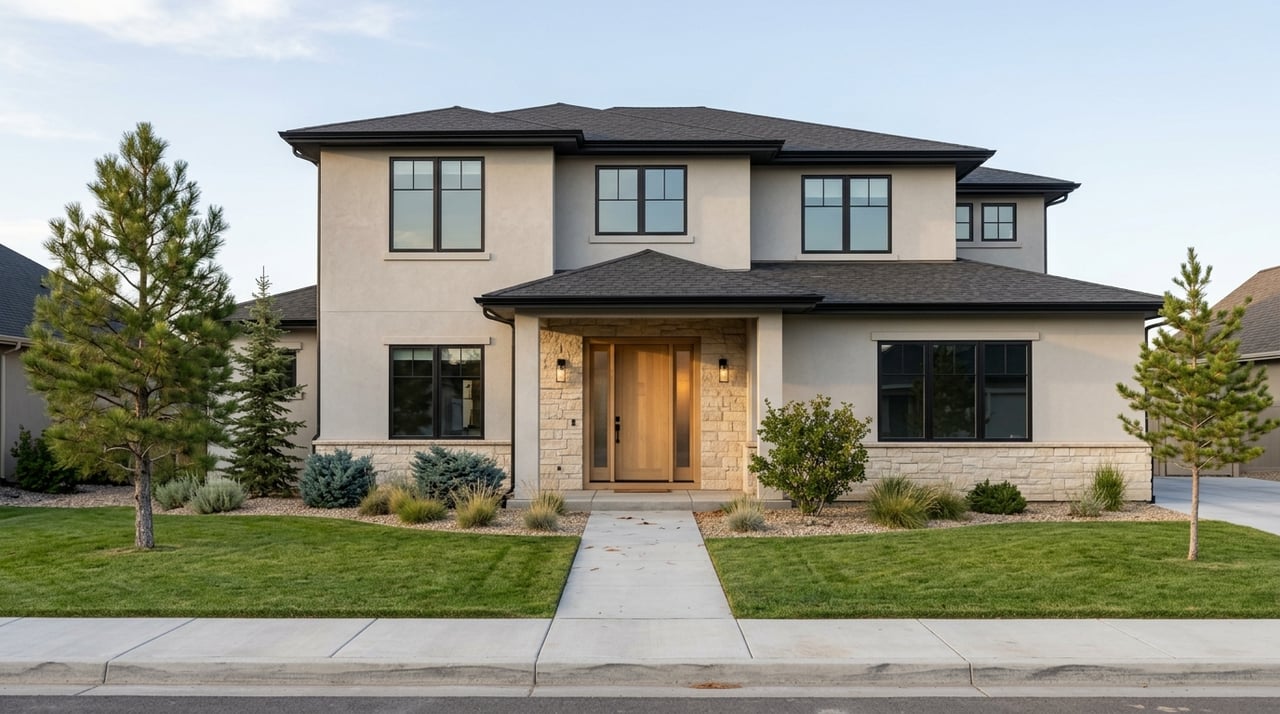
Castle Rock is not a one-note housing market. The Town says it has mapped more than 150 neighborhoods, with housing that ranges from homes more than 100 years old near the center to newer construction in a variety of styles and settings.
This variety is part of the appeal. Whether you want a more established setting, a newer suburban neighborhood, or a lower-maintenance option closer to downtown, you have more than one path to explore.
Historic Core, Newer Neighborhoods, and Infill
The town’s housing pattern includes several distinct living experiences. Near the center, you will find older homes tied to Castle Rock’s earlier development.
Across much of the town, newer suburban neighborhoods reflect the area’s growth over the past few decades. Downtown also includes denser residential options such as Mercantile Commons, Riverwalk, and Encore, which add apartment-style and infill living to the overall mix.
A Predominantly Owner-Occupied Market
Castle Rock leans strongly toward ownership. Census data shows that 78.8 percent of housing units are owner-occupied.
The same data reports a median value of owner-occupied homes of $652,900 and a median gross rent of $2,000. Those figures suggest a higher-cost suburban market where buying is common, while renting is still part of the housing picture.
Commuting in Castle Rock
Commuting is an important part of life for many Castle Rock residents. The town is well connected by road, but public transportation options are limited.
Castle Rock’s planning documents note that voters opted out of the Regional Transportation District in 2005, and fixed-route service ended in 2011. In practical terms, that means most residents rely on driving, and I-25 plays a major role in how easy or stressful a commute feels.
Expect a Car-Based Routine
If you move here, it helps to expect a driving-oriented lifestyle. That does not mean the town feels isolated, but it does mean your daily routine will likely revolve around road access rather than transit access.
The Census reports a mean travel time to work of 28.6 minutes. That figure gives a useful baseline for understanding local commute patterns, even though actual drive times can vary depending on route, traffic, and time of day.
Growth and Traffic Are Part of the Tradeoff
Castle Rock continues to grow, and that growth shapes the lived experience. The Town reports an average of about 780 single-family homes and 150 multifamily units built per year over the past 25 years.
That steady development supports housing choice and long-term investment in the community, but it also means construction, roadway planning, and traffic management are part of everyday reality. For many buyers, that tradeoff is worth it for the lifestyle and location.
Who Castle Rock Tends to Fit Best
Castle Rock often appeals to people who want a balance of outdoor access, suburban housing, and a downtown that feels authentic. It can be a strong fit if you want community events, trail access, and a setting that feels distinct from more close-in metro suburbs.
It may be especially appealing if you value having options. You can spend time outdoors, head downtown for an event, and still have access to newer neighborhoods and regional connections along the South Denver corridor.
You May Love Castle Rock If You Want
- A town with a defined downtown core
- Frequent access to trails, parks, and open space
- A wide range of neighborhood and home styles
- A community that feels established but still growing
- Regional access south of Denver with a strong local identity
It Helps to Be Comfortable With
- A lifestyle that is more car-dependent than transit-oriented
- Traffic patterns that can be shaped by I-25 conditions
- Continued development and construction in parts of town
- A higher-cost housing market compared with some other areas
The Overall Feel of Living in Castle Rock
Living in Castle Rock often feels like choosing a middle ground that a lot of buyers are searching for. You get more breathing room than many closer-in suburbs, but you still have a real town center, organized community life, and strong road access to the wider region.
What stands out most is the combination of identity and livability. Castle Rock is not just growing. It is growing while trying to hold onto the things people already value, like open space, community events, and a downtown that still feels like the heart of town.
If you are considering a move to Castle Rock, it helps to look beyond square footage and commute maps. The real question is whether this blend of outdoor lifestyle, local character, and suburban convenience fits how you want to live.
If you’re thinking about buying or selling in Castle Rock, Leah Klepetka offers thoughtful local guidance, a calm approach, and the kind of neighborhood insight that helps you move with confidence.
FAQs
What is daily life like in Castle Rock, Colorado?
- Daily life in Castle Rock often centers on a mix of neighborhood living, outdoor recreation, and time spent downtown, where community events, shops, restaurants, and Festival Park create a clear local gathering place.
What kind of homes can you find in Castle Rock?
- Castle Rock includes a wide range of housing, from older homes near the historic center to newer suburban construction and some denser downtown residential options like apartments and infill projects.
Is Castle Rock a good place for outdoor living?
- Castle Rock is known for strong outdoor access, with 136 miles of trails, 62 parks, more than 6,900 acres of open space, and local destinations like Rock Park.
Is Castle Rock walkable or car-dependent?
- Downtown Castle Rock is the most walkable part of town, but most daily life across the community is more car-dependent, with many neighborhoods located a short drive from the center.
What is commuting like from Castle Rock?
- Commuting in Castle Rock is generally road-based, with limited public transportation options and daily travel often shaped by I-25 traffic conditions; the mean travel time to work is 28.6 minutes.
Is Castle Rock still growing?
- Yes, Castle Rock continues to grow, and that growth shows up in ongoing residential development, roadway planning, and traffic management across the town.